
El Badi Palace
13 août 2026 · 11:07
Explore the ruins of El Badi Palace, a once magnificent 16th-century palace that now offers a striking glimpse into Marrakech's history.
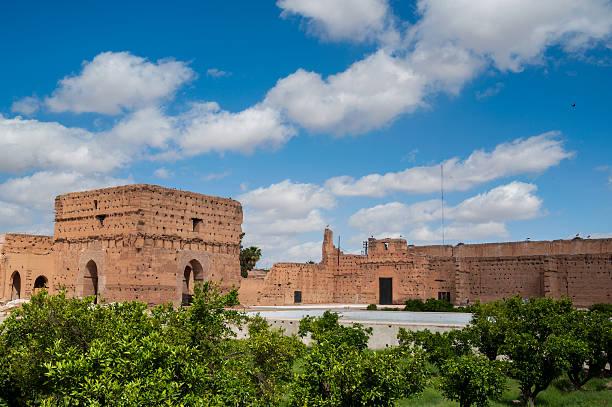
El Badi Palace is one of Marrakech's major historic monuments. Located within the Medina, it offers a very different experience from the city's richly decorated palaces: here, the scale of the site, its ruins and large open spaces provide a glimpse of the monument's former grandeur.
The visit is particularly interesting for understanding part of Marrakech's history while experiencing an atmosphere very different from the busy souks and narrow streets of the Medina.
Why visit El Badi Palace?
El Badi is impressive above all for its scale.
As you enter the palace, you discover vast open spaces, imposing walls, courtyards and surviving structures that give an idea of the size of the original complex.
The best way to experience El Badi is therefore to imagine how the palace may once have looked rather than expecting a succession of richly decorated rooms.
A palace from the Saadian period
El Badi Palace was built in the late 16th century during the reign of the Saadian Sultan Ahmad al-Mansur.
The palace was designed in part to reflect the power of the Saadian dynasty and incorporated prestigious materials and decoration.
Over time, many of these elements disappeared or were reused elsewhere.
The surviving structures nevertheless provide a sense of the importance the palace once held.
Monumental architecture
One of El Badi's main attractions is the overall organisation of the site.
Large courtyards, pools and different architectural spaces create a feeling of scale that is unusual within the Medina.
Take time to walk through the monument rather than looking only for individual viewpoints or photographs.
The different perspectives gradually reveal how the palace was organised.
Exploring the ruins
Unlike Bahia Palace, El Badi is not primarily about moving through a series of decorated interiors.
The experience is based more on the surviving traces of the former palace.
Walls, passages, open spaces and architectural remains help visitors imagine how the complex may once have functioned.
This gives the visit an almost archaeological character.
The storks of El Badi
While exploring the palace, you may also see storks around the upper sections of the walls and surrounding area.
They have become a familiar part of the landscape of El Badi and often attract visitors' attention.
Observe them from a distance and avoid disturbing the birds or their nesting areas.
How long should you allow?
The amount of time needed depends on your interest in history and architecture.
Allow enough time to walk through the different areas and understand the layout of the site.
El Badi can easily form part of a half-day exploring several monuments in this area of Marrakech.
However, avoid scheduling so many attractions that you no longer have time to appreciate each one.
When should you visit El Badi Palace?
Much of the visit takes place in open areas.
During warmer periods, it may therefore be more comfortable to avoid the strongest midday heat.
Morning or late-afternoon light can also highlight the colours and textures of the walls.
Opening hours, admission prices and access arrangements may change, so check current information before visiting.
Practical tips
To enjoy your visit comfortably:
- wear suitable walking shoes;
- bring drinking water;
- use sun protection;
- take time to view the palace from different perspectives;
- take care on uneven surfaces and historic passages;
- respect areas where access is restricted;
- check current practical information before your visit.
El Badi Palace or Bahia Palace?
The two palaces are very different and highly complementary.
Bahia Palace allows visitors to discover courtyards, gardens and numerous decorative details.
El Badi provides a more monumental experience centred on scale, ruins and the history of the site.
If your itinerary allows, visiting both reveals two very different periods and expressions of palace architecture in Marrakech.
Continue through the Medina
The area around El Badi provides a good starting point for continuing your exploration of Marrakech's historic heritage.
Depending on your itinerary, you can continue walking through different parts of the old city.
For help exploring the area, read our guide to Marrakech Medina and the souks.
Continue towards Jemaa el-Fna
After exploring the historic monuments, you can gradually make your way towards Jemaa el-Fna square.
The contrast is particularly interesting: after the relatively quiet atmosphere and open spaces of El Badi, you gradually return to the shopping streets and energy of central Marrakech.
This route allows you to experience several different sides of the Medina during the same day.
El Badi and Ben Youssef Madrasa
For travellers interested in architecture, Ben Youssef Madrasa is another complementary visit.
The two monuments are nevertheless very different.
El Badi impresses through its scale and ruins, while the madrasa provides an opportunity to examine zellige tilework, carved wood, decorative plasterwork and traditional architectural details at much closer range.
Planning your stay in Marrakech
Marrakech has enough historic monuments that it is usually better to spread your visits across several days.
Alternating palaces, the Medina, gardens and excursions also provides greater variety.
Read our guide to planning your stay in Marrakech to organise your itinerary.
Stay in Marrakech
Haven Stay offers selected holiday rentals in Marrakech, providing a comfortable base during your stay.
You can explore historic monuments and the Medina while keeping other days for gardens or excursions around Marrakech.